News Summary
The home remodeling industry is facing significant changes with the introduction of new tariffs on imported cabinets and furniture. Set at 25% for the remainder of the year and expected to rise to 50% next January, these tariffs are causing a stir among industry professionals. While some see opportunities for domestic production, others are wary of rising costs deterring homeowners from renovation projects. The fluctuating prices could impact availability and consumer sentiment, creating a complex landscape ahead for remodelers and homeowners alike.
New Tariffs on Imported Cabinets and Furniture Create a Stir in Home Remodeling
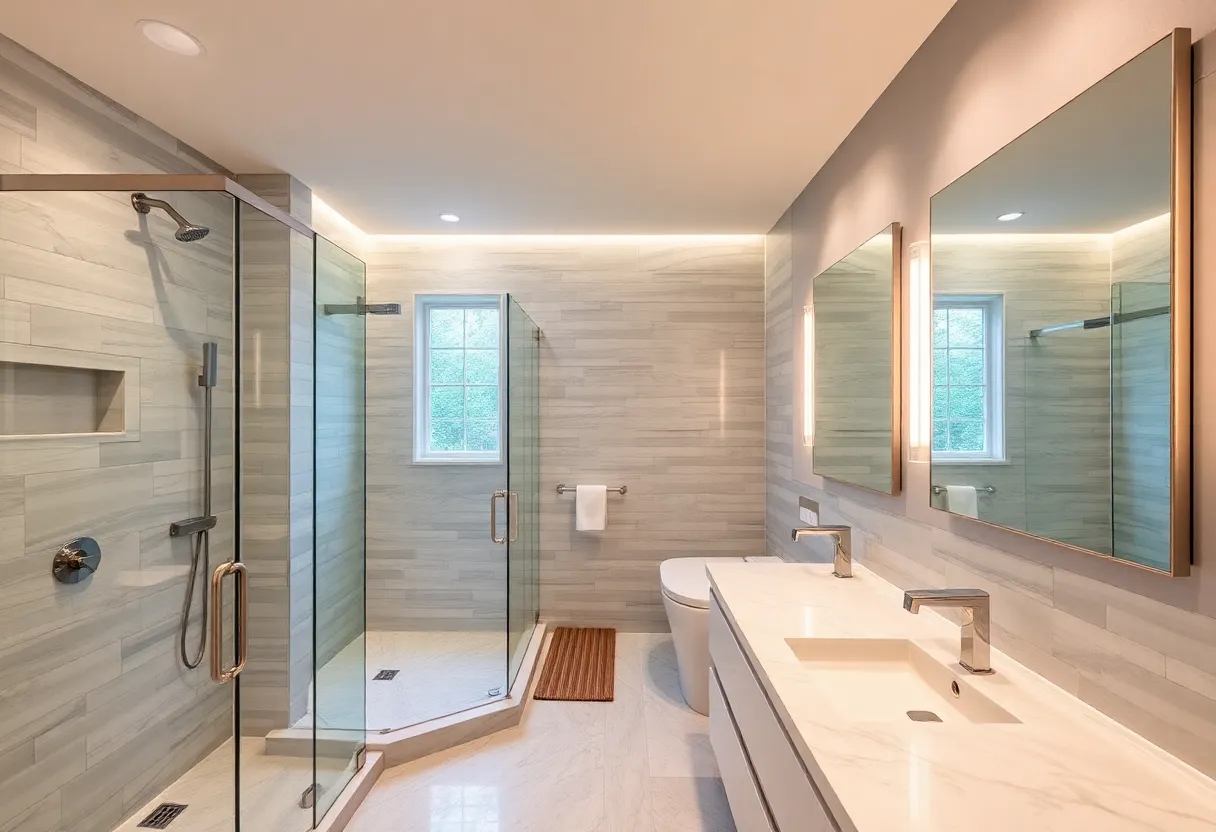
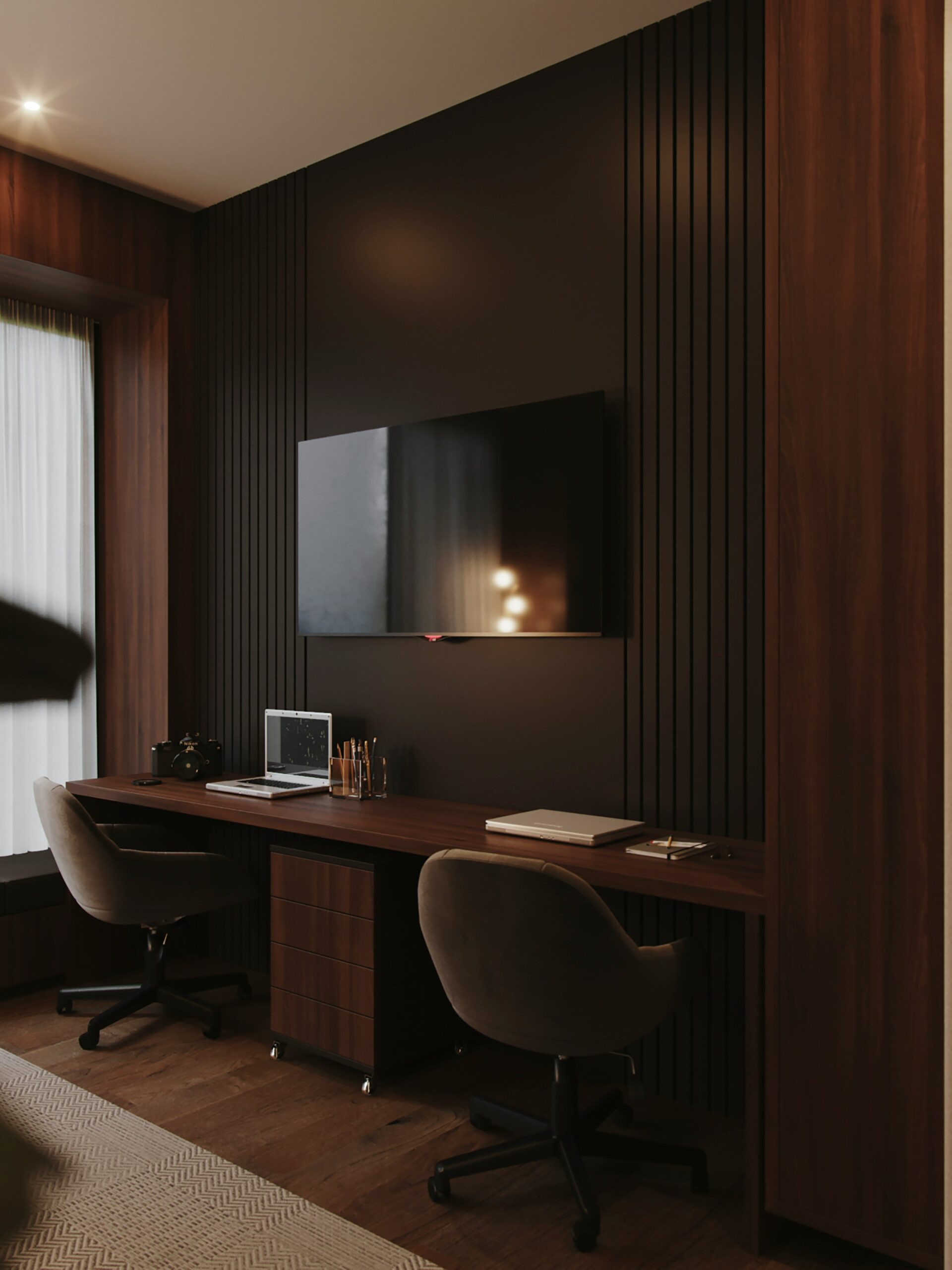
Recently, the home remodeling industry has been buzzing over new tariffs imposed on imported kitchen cabinets, bathroom vanities, and upholstered furniture. These tariffs, introduced by the government for national security reasons, sit at a hefty 25% for the remainder of the year and will escalate to 50% starting January 1st. This has sent ripples through the industry, prompting both optimism and concern among cabinet dealers, interior designers, and remodeling contractors across the United States.
Mixed Reactions: Opportunities and Challenges
Many small business owners in the home improvement sector see this as a golden opportunity to promote domestic production and enhance their business prospects. With the expectation that American-made products may gain popularity, some are hopeful that this could give their businesses a much-needed boost. However, not everyone shares the same optimism. Certain contractors are wary that potential clients might put the brakes on home renovation projects due to rising costs concerned with these tariffs.
Recent reports indicate that many homeowners are likely to delay upcoming kitchen and bathroom renovations until there’s a stabilization in pricing and the economy as a whole. This pause in activity could prove problematic in the short term, as designers and builders adapt to these sudden economic shifts.
Concerns Over Price Volatility
Industry professionals, like interior designers, are voicing concerns that the fluctuation in prices driven by the tariffs could be detrimental to the remodeling landscape. Their apprehension lies in the idea that high-profile stories of rapidly rising costs may deter potential clients from committing to their renovation dreams.
Despite these challenges, remodeling activity is expected to hold firm through mid-2026, even as high mortgage rates continue to cast shadows over existing home sales. It appears that homeowners may still be eager to upgrade their living spaces, albeit with a careful approach to budgeting.
Understanding the Tarriff Impact
The tariffs come with a few more components too. For instance, there’s a 10% import tax on softwood timber and lumber, which primarily comes from Canada. U.S. trading partners, such as the U.K. and the EU, have lower tax rates on their exports— 10% and 15% respectively—creating a challenging competitive landscape for American manufacturers.
The American Kitchen Cabinet Alliance argues that these tariffs are crucial in protecting local manufacturers from a wave of ultra-low-cost imports flooding in from countries like Vietnam, Malaysia, and China. With estimates predicting that such tariffs could raise the average cost of single-family home construction by about $280, it paints a complex picture. While this increase may seem manageable relative to total construction costs, the fear remains that raising prices could push potential clients away from kitchen and bathroom remodels altogether.
Quality Concerns and Demand for Local Alternatives
Experts like supply chain management professionals suggest that the tariffs could impact the variety of products available in the market more than their pricing. Importers may prioritize top-selling items, narrowing choices for consumers. On the other hand, local manufacturers may face hurdles in finding domestic alternatives, especially for cabinets that traditionally use imported materials and finishes.
Some companies, such as ACO Denver Custom Cabinetry that focus on local craftsmanship, may see increased demand due to the shift. However, there is uncertainty about their ability to keep up with a sudden surge in interest.
Changing Consumer Perceptions
Additionally, there’s a growing concern about consumer perceptions surrounding renovation costs spiking due to these tariffs. Homeowners are already feeling the pinch from soaring prices, and negative sentiments about rising renovation expenses could further complicate decision-making processes in the remodeling industry.
With a delicate balance to navigate and various factors influencing market dynamics, the home remodeling sector is looking ahead with both hope and cautiousness. Everyone’s unsure if the positives will outbalance the challenges created by these new tariffs, but one thing is clear: the future of home renovations will need to remain agile and responsive amidst this new economic landscape.
Deeper Dive: News & Info About This Topic
Home Renovation Industry Braces for Tariff Increases
Pontiac Celebrates Milestone in Home Repair Program
Detroit Residents to Benefit from $3.3 Million Home Repair Grants
Coretek Revolutionizes Home Renovation with AI Innovations
Community Shapes Housing Renovation Plans in Corktown
Transforming Fan Experiences Through Stadium Renovations
Revitalizing Detroit: Focus on Home Repair Initiatives
Detroit’s New Budget Proposal Boosts Home Repair Funding
Home Repair and Remodeling Costs Surge Amid Economic Pressures
Community Comes Together to Rebuild After Church Shooting