News Summary
The resurgence of century-old homes reflects a trend where homeowners embrace the unique architecture and craftsmanship of these historic structures, combining them with modern amenities. While restoration efforts focus on preserving original features such as carved doors and wooden beams, they also necessitate upgrades for safety and functionality. Communities are increasingly turning to renovation projects, resulting in enhanced property values and a blend of historical charm with contemporary living.
Historic Homes Get New Life: Renovation Trends Reshape Aging Properties into Modern Classics
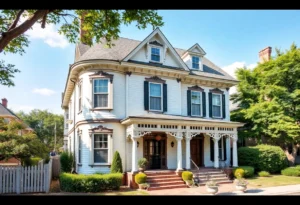
Are you a fan of century-old homes? Do you appreciate their rich history, unique architecture, and quality craftsmanship? Well, you’re not alone! There’s a lively community on a subreddit called “Century Homes” where enthusiasts gather to share their love for homes that have stood for over a hundred years. These timeless structures tell their own stories through their designs and have become hot properties as modern renovations breathe new life into them.
Interestingly, not all homes that embody a vintage feel are over a century old. For instance, a non-century home built in 2003 has impressively embraced antique and salvaged materials, seamlessly echoing styles from the past, including Art Nouveau and Queen Anne designs. It’s delightful to see how modern homeowners are creatively merging the old with the new, allowing historic aesthetics to flourish in newer constructions.
Homeowners have become particularly fond of the original features found in century homes. Elements such as carved doors, tall windows, and robust wooden beams reflect quality craftsmanship that seems to be missing from today’s building trends. For many, it’s thrilling to uncover the original hardwood floors hidden beneath decades of carpets, still in excellent condition and ready to help restore a sense of authenticity to the space.
The Importance of Inspections
Thinking about buying a historic home? Before you fall in love and make that purchase, you’ll want to conduct thorough structural inspections. Pay close attention to key components like framing, foundation, beams, and support walls. It’s vital to ensure that the house stands strong for years to come. In fact, prospective buyers are cautioned to be mindful of potential issues related to both structure and electrical systems.
It’s important to remember that while these homes have unique characters, their original wiring often doesn’t meet current safety standards. Upgrades are not just a convenience; they are a necessity to ensure modern functionality and safety. Additionally, plumbing in older homes can be problematic, with risks of corrosion or inadequate handling of water pressure. More often than not, these century homes lack the number of electrical outlets that modern living demands, which means moderate renovations are usually needed to integrate modern technology while keeping aesthetic integrity intact.
The Balance of Preservation and Modern Needs
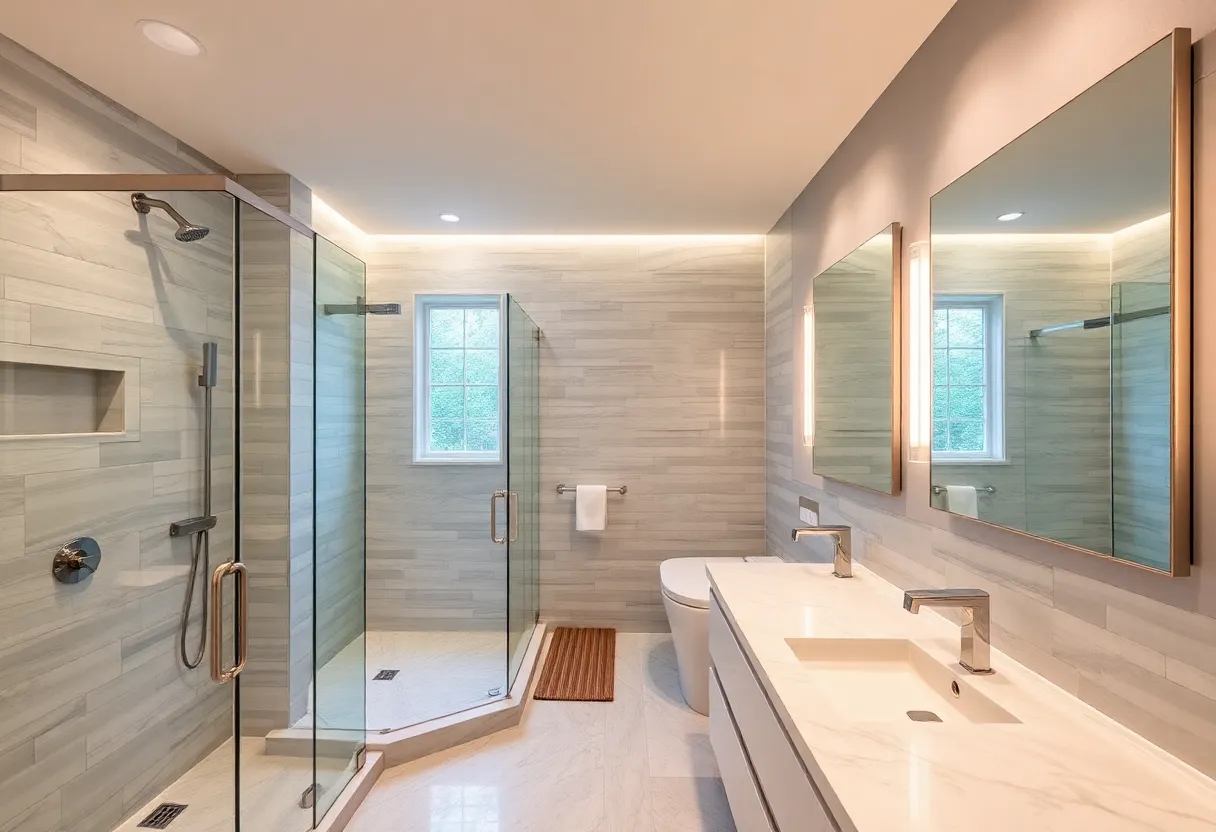
Renovating century homes spurs a creative process that encourages homeowners to be artists in their own right. The goal is often to strike a balance between preserving original elements and meeting the modern demands of a home. Restoration projects are not simply repairs; they often involve bringing back period-specific details—like tiles, flooring, and fixtures—that add tremendous charm to the property.
Interestingly, restoring historic homes can significantly increase property value. In areas like Des Moines, homes that have undergone thoughtful renovations have seen their market value appreciate dramatically since their initial purchases. Not only does this highlight the value of historical preservation, but it showcases the economic benefits that restoring these homes can bring.
There’s also a community spirit in the renovation of historic homes, as shown by organizations creating opportunities to revamp homes for those in need. This points to a greater trend of community-centered renovation efforts, enabling families and individuals to live in housing that carries significant historical value while also providing practical living spaces.
The Heartfelt Journey of Restoration
Many homeowners embark on extensive restoration journeys for homes with historical significance, going as far as creating custom-made replacements and making thoughtful upgrades. A prime example of this dedication can be seen in the Monks’ home restoration project, where they’ve made it a point to maintain both the functionality and historic integrity of the space. Using period-appropriate materials, their work exemplifies the artistry involved in restorative efforts.
So, whether you’re an admirer of century-old homes or a proud owner investing in your piece of history, it’s clear that the blend of modern necessity and historic preservation creates something truly special. Each home, with its character and charm, continues to hold stories and memories waiting to be shared with future generations.
Deeper Dive: News & Info About This Topic
Dearborn Inn Reopens After Major Renovation
University of Michigan Plans Major Campus Renovations
Michigan Plumbing Firm Leaders Arrested in Major Scandal
Upcoming Hotel Renovations Set to Transform the Hospitality Industry
Michigan Houses For Cash Enhances Fast-Purchase Program
Detroit’s Housing Initiatives Aim to Combat Historical Inequity
Revitalizing Racing Heritage: Michigan Central Station Unveiled
Trinity Health Ann Arbor Hospital Begins Major Renovation
Renovation of Trinity Health Ann Arbor Hospital’s Emergency Department
Dearborn Inn Revamped: A Fusion of History and Luxury
Additional Resources
- WDBJ7: Historic Home to be Restored in Southeast Roanoke
- Wikipedia: Restoration
- Des Moines Register: Historic Restoration in Des Moines River Bend
- Google Search: Historic House Restoration
- Galerie Magazine: England’s Historic Bloomfield House Restoration
- Britannica: Historic Preservation
- NKY Tribune: Historic Oxley House Restoration
- Google News: Historic Home Renovation
- Columbus Monthly: Inside a Five-Year Historic Home Restoration