News Summary
As Detroit prepares to elect a new mayor on November 4, residents are hopeful for a strong focus on affordable housing and neighborhood improvements. Voter concerns highlight the need for better living conditions and reduced flooding risks, with a significant emphasis on addressing homelessness. Community leaders advocate for investing in neighborhood schools and housing renovations, promoting innovative solutions for sustainable growth. Exciting developments, such as the 4401 Rosa Parks Apartments, aim to provide affordable housing options, while preventative measures seek to support existing tenants and maintain affordability in the city.
Exciting Times Ahead as Detroit Set to Elect New Mayor, Focusing on Neighborhoods and Affordable Housing
On November 4, Detroit residents will cast their votes to choose a new mayor for the first time in over a decade. With this transition of leadership, citizens are looking forward to much-needed attention and investment in their neighborhoods, particularly in areas concerning affordable housing and reducing blight. The city is poised for a much-anticipated revitalization journey, and there is a buzz in the air as neighbors express their hopes and ideas for the future.
Key Concerns on the Voter’s Minds
The upcoming elections are bringing to light important issues identified by voters, including the need for improvements in living conditions and reduced flooding risks. High property tax rates are also causing concern among residents, who desire a more stable economic environment. A recent survey shows that some of the top priorities for voters include fighting homelessness, with 13% emphasizing the urgent need for affordable housing, followed closely by 8.5% wanting to enhance neighborhood situations and 6.1% focusing on vital infrastructure developments.
Investing in Our Neighborhoods
The need for better funding and resources for neighborhood schools and housing renovations is evident, with 27% of voters prioritizing school investments and nearly 27% focusing on housing improvements. Local advocates believe that this is the ideal time for the new mayor to put neighborhood revitalization at the forefront of their agenda. Community leaders stress that improving living conditions can lead to sustainable growth and unity among residents.
Creative Solutions for Community Improvement
Local business owners like Misha McGlown are advocating for the arts and the introduction of programs that assist residents in home maintenance and community enhancement. There’s a growing sentiment that efforts towards improving energy efficiency in older homes can also play a significant role in not just beautifying the area but enhancing its value. Joshua Elling of Jefferson East highlights that employing innovative economic tools will be essential in driving the change neighborhoods need, along with supporting home repair initiatives.
Hope on the Horizon with New Developments
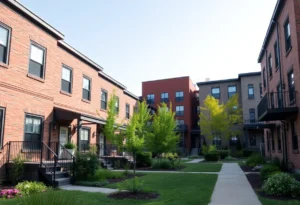
Exciting news is on the horizon, with new affordable housing options being developed. The upcoming 4401 Rosa Parks Apartments in the Woodbridge neighborhood is set to feature 60 units tailored for varying income levels. This initiative by local developer Cinnaire Solutions is a step towards community-driven redevelopment, focusing on long-term housing solutions. Additionally, there are plans for a proposed 48-unit apartment building in West Village, emphasizing affordability and sustainability for long-time residents.
Preventing Displacement with Supportive Initiatives
Supporting existing tenants and preventing displacement is crucial, with a call for rental assistance programs and dedicated efforts for tenant organization. If the next mayor prioritizes housing repair and stabilization across the city, we can expect a change in the landscape of urban life in Detroit. The city’s historic district aims to ensure more housing options while maintaining affordability and accessibility for all.
Community-Centric Approach for a Stable Future
Experts suggest that the creation of land trusts can effectively transform vacant lots into thriving community spaces. This strategy is viewed as a way to foster neighborhood cohesion and keep displacement at bay. To truly boost neighborhood stability and public safety, leaders believe that addressing socio-economic needs is essential. This approach not only focuses on public safety through conventional means but adds depth by exploring affordable housing, youth programs, and mental health services.
A Call for Transparency and Inclusivity
The Detroit land bank has been identified as a potential asset in participating in community-driven land use strategies. Residents are demanding transparency and accountability in housing development processes. Community involvement in decision-making is vital to ensure that every voice is heard, leading to comprehensive support for neighborhoods.
As election day draws closer, the call for a people-centered growth strategy that embraces sustainable development is stronger than ever, with residents eager for a new chapter that brings about positive changes in their communities.
Deeper Dive: News & Info About This Topic
Detroit’s Candidates Propose Solutions for Housing Renovation
Detroit City FC Unveils Plans for New Stadium Complex
New Home Repair Training Center to Open in Decatur
Detroit Mayoral Debate Highlights Need for Home Remodeling Initiatives
Home Repair Initiatives Take Center Stage in Detroit Elections
Detroit’s Home Repair Program Gains Momentum in Mayoral Race
Detroit Mayoral Candidates Clash on Home Repair and Economic Growth
Home Repair Plans Take Center Stage in Detroit Mayoral Debate
New Tariffs Hinder Home Renovation Projects
Candidates Propose Housing Solutions in Detroit Mayoral Debate